Understanding The Relationship Between Chance And Player Interest
19 August 2026 | 254
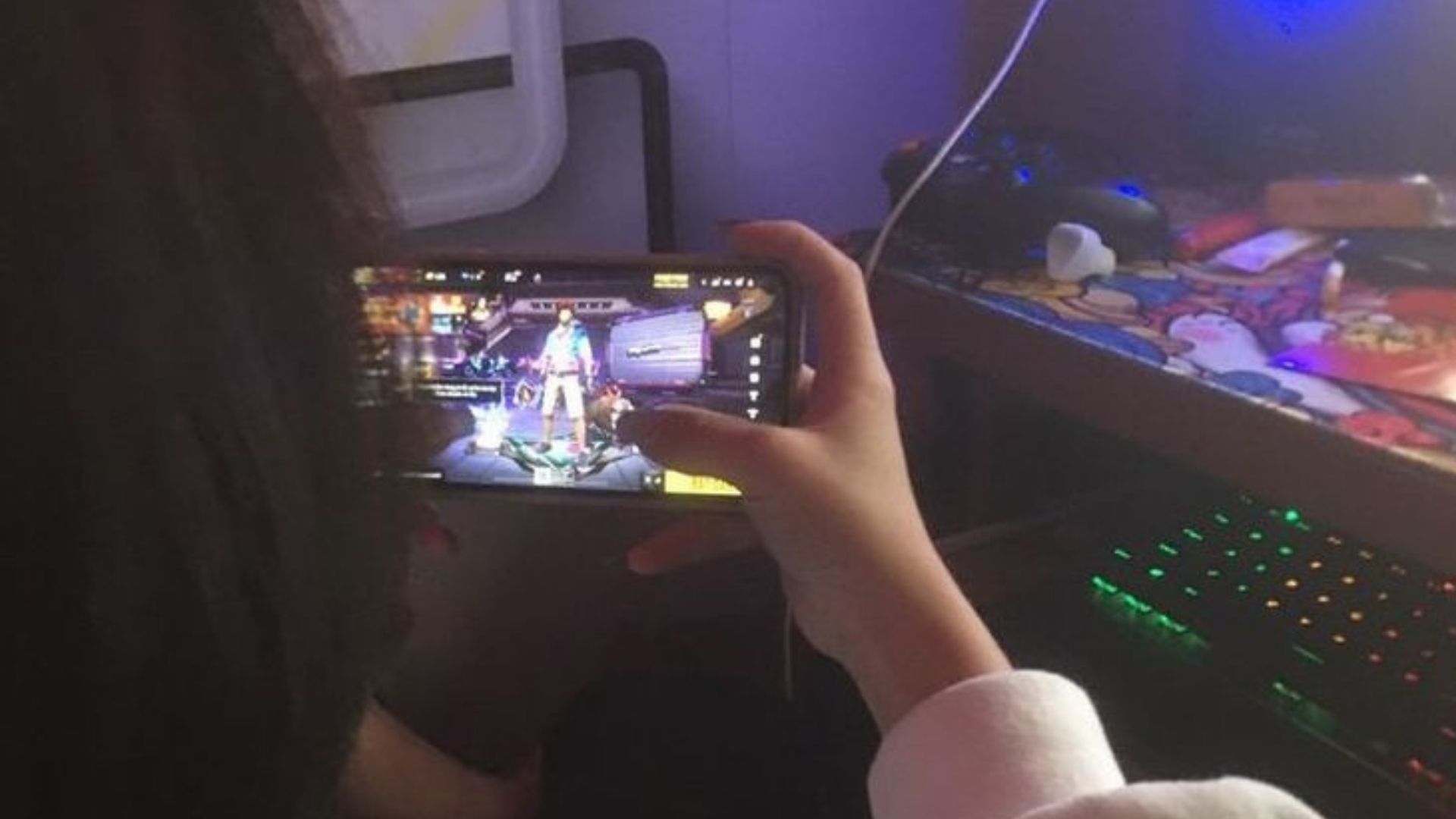
The intersection of probability and human engagement forms the baseline of modern entertainment design. When outcomes are not entirely guaranteed, participants experience a unique form of cognitive stimulation that keeps them focused on the activity. Understanding how these elements of uncertainty influence consumer habits helps developers build much more compelling digital environments.
The Psychology of the Unknown
Human neurology is naturally wired to respond to unpredictable environments with heightened focus and curiosity. When a digital system introduces variable outcomes, it triggers a temporary release of dopamine that elevates the user's emotional state. This internal reaction explains why individuals frequently return to interactive platforms that offer a dynamic mix of skill and chance.
Predictable routines can quickly lead to cognitive fatigue and decreased interest over extended periods. Introducing statistical variance ensures that every session feels entirely distinct, offering fresh experiences without requiring massive content updates. Consequently, balancing certain progress with sudden surprises remains a highly effective method for sustaining consumer attention.
Democratizing the Interactive Experience
Integrating random elements allows platforms to establish a highly inclusive environment for a diverse user base. In systems driven purely by veteran expertise or massive time investments, newcomers can easily become discouraged by structural barriers. Random drops and unpredictable events give everyone a fair opportunity to experience major breakthroughs during public campaigns.
This baseline level of accessibility encourages casual enthusiasts to remain active alongside highly competitive participants. When everyday individuals realize that a significant milestone is achievable regardless of their historical playtime, their baseline motivation increases. Finding an authorized m88 link mới nhất allows participants to explore modern digital environments that utilize these balanced probability mechanics effectively.
Sustaining Long Term Engagement Loops
The structural placement of unexpected rewards directly shapes how communities interact over long seasonal cycles. Designers must carefully calibrate the frequency of these surprise drops to avoid overwhelming the participant base. If rewards appear too frequently, the sense of novelty diminishes, whereas excessive scarcity can lead to player frustration.
A well-optimized system relies on a tiered framework where small surprises occur regularly alongside major, high-value breakthroughs. This layout sustains continuous daily engagement while maintaining the prestige of rare, highly anticipated milestones. By managing this operational balance, contemporary applications build resilient spaces that thrive across global markets.
Cultivating Community Camaraedrie
Uncertain outcomes do more than just satisfy individual users; they actively foster vibrant social interactions across the entire network. When a participant experiences a sudden, high-stakes victory, they naturally share their excitement within public forums and digital chat groups. This organic community engagement creates a lively ecosystem that attracts additional participants through positive word-of-mouth.
Discussing potential outcomes and sharing strategic advice regarding randomized events builds a strong sense of social camaraderie. The shared journey of navigating probability transforms standard entertainment into a highly interactive, collaborative event. Ultimately, this rich blend of personal thrill and community connection ensures long-term user satisfaction.