Understanding the Difference Between RTP and Luck
26 July 2026 | 22
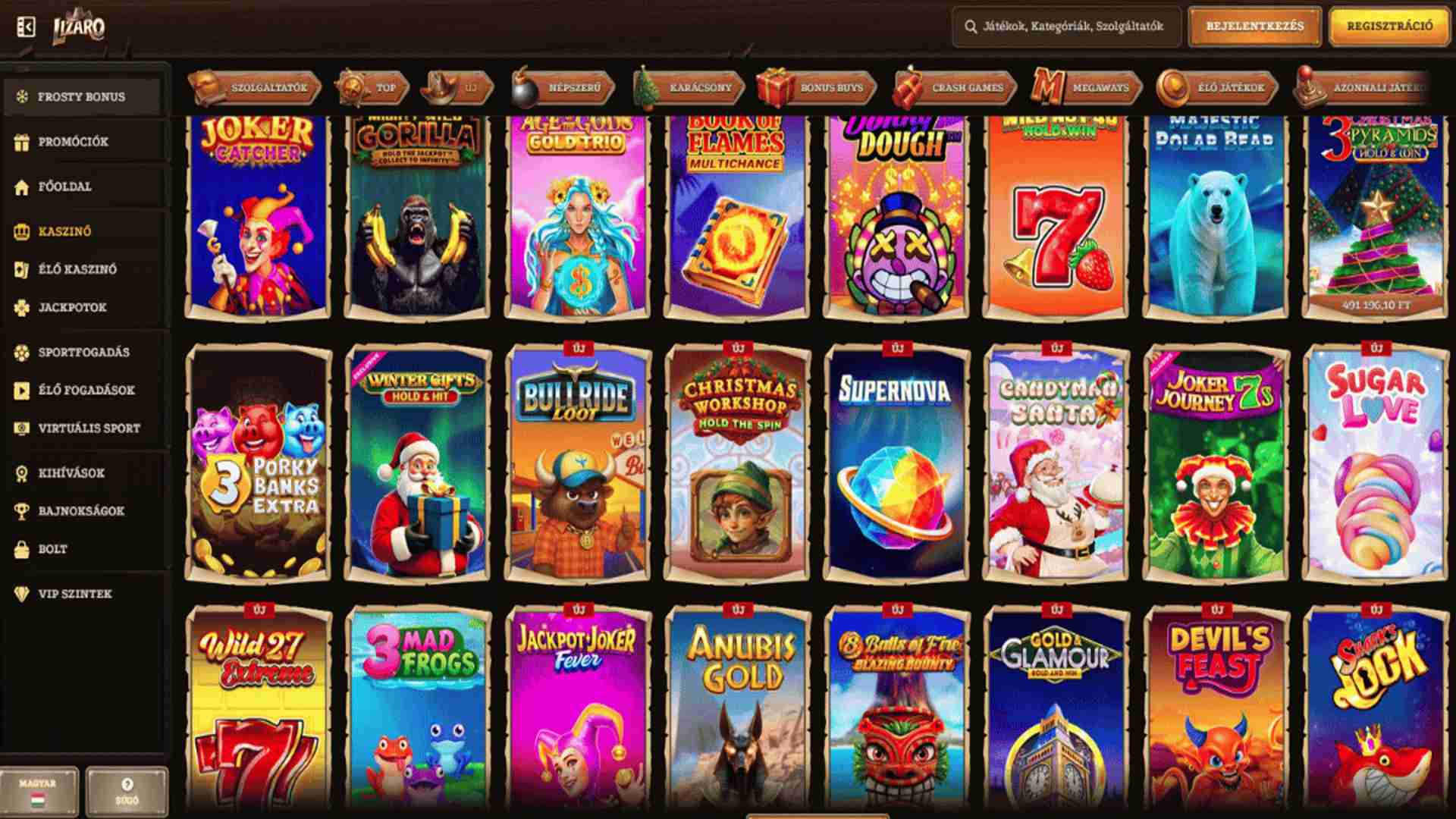
Navigating the digital gaming landscape requires a solid grasp of how programming and probability interact to shape your overall entertainment experience. Many players frequently confuse mathematical design with random chance, leading to skewed expectations during active sessions. Recognizing how these two forces operate independently helps enthusiasts build a much healthier and more responsible approach to modern virtual platforms.
The Mathematical Reality of Return to Player
Return to Player represents a strict statistical baseline engineered directly into the software code by game developers. It outlines the theoretical percentage of cumulative wagers that a specific title is designed to return over an extended operational lifetime. For instance, a game featuring a ninety-six percent metric mathematically retains four percent as the structural margin while distributing the rest back to the global community.
However, this mathematical projection is calculated across millions of simulated software cycles rather than a handful of individual spins. This extensive scale ensures that the developer's core architectural model remains perfectly balanced over time. When exploring platforms via a reliable m88 link mobile, players can easily verify these certified percentages within the official game rule menus.
The Unpredictable Nature of Short Term Luck
While the built-in percentage provides a long-term statistical anchor, short-term outcomes are entirely governed by absolute randomness. This unpredictable element is generated by Random Number Generators, which produce isolated results for every single spin. Consequently, a player might experience a massive winning streak or a prolonged dry spell during a single hour of entertainment.
This immediate variance is what casual enthusiasts typically refer to as good or bad fortune. Because each round functions as an independent mathematical event, past outcomes have zero statistical influence on future results. The core algorithm remains entirely objective, ensuring complete transparency and compliance with global regulatory standards.
How Volatility Bridges the Gap
To fully understand the difference between programming and chance, one must also look at the concept of variance or volatility. Volatility determines the specific frequency and size distribution of payouts during your session. A title with a high return metric might still feature high volatility, resulting in rare but substantial rewards alongside long intervals of empty rounds.
Conversely, low volatility options offer steady, smaller payouts that allow participants to prolong their entertainment budgets. Balancing your awareness of both indicators allows you to select software models that align with your personal risk tolerance. This analytical approach shifts your mindset from purely emotional expectations to a clearer strategic perspective.
Cultivating Smarter Gaming Habits
Distinguishing between structural metrics and random luck is the foundation of responsible digital entertainment. Relying on verified performance numbers ensures you spend your budget on games created with fair, transparent mathematical frameworks. At the same time, accepting the reality of randomness prevents you from chasing temporary losses or assuming a win is guaranteed.
Ultimately, keeping these distinct dynamics in mind empowers individuals to engage with virtual platforms with confidence. Utilizing certified data as an educational tool remains the best way to maintain healthy boundaries. By prioritizing transparency over superstition, you ensure a much more fulfilling and strategic gameplay journey.