Random Rewards for Competitive Communities
23 July 2026 | 33
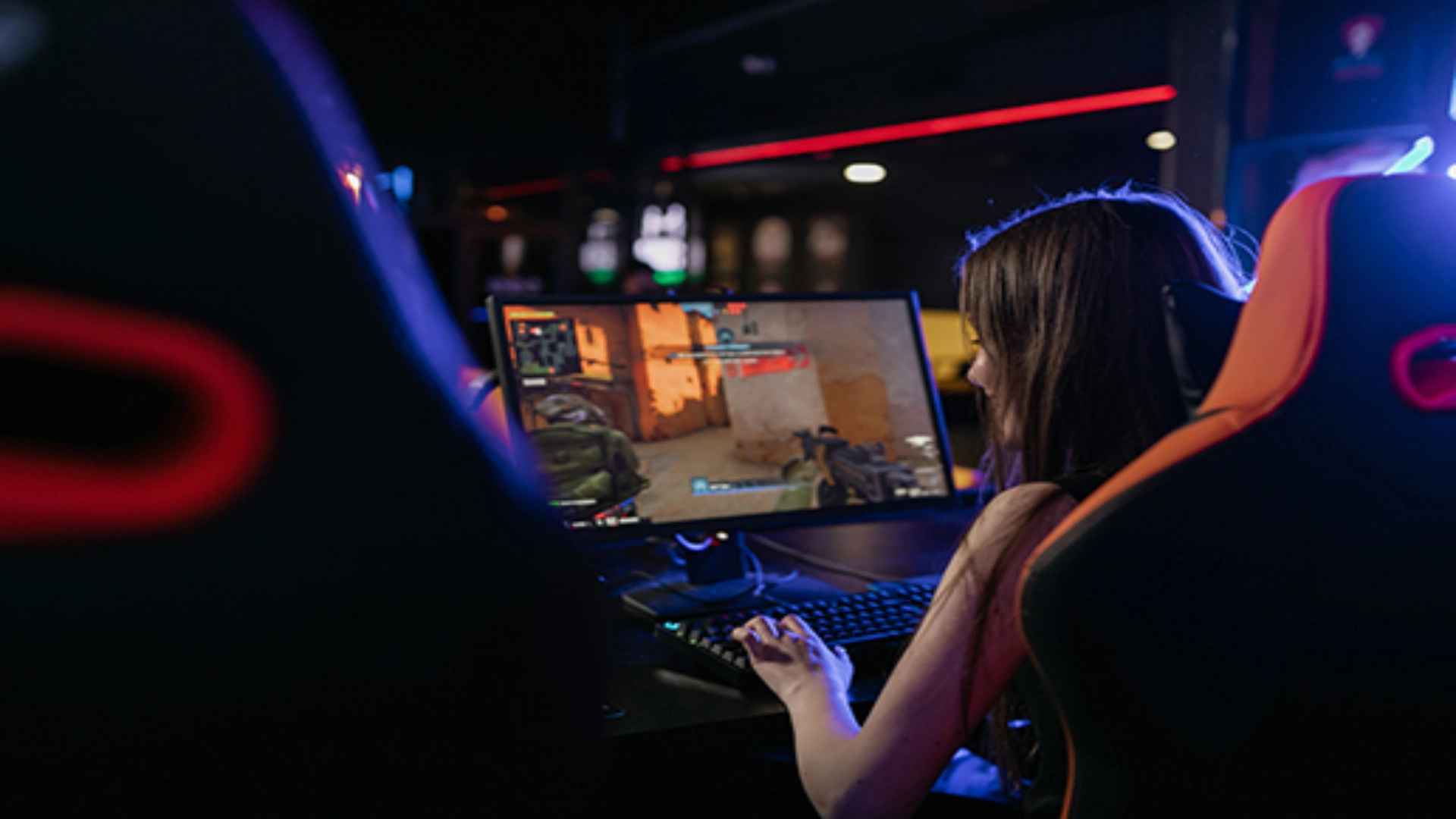
Competitive gaming communities thrive on skill, dedication, and predictable milestones that reward top-tier performance. However, modern developers are increasingly introducing elements of chance into these ecosystems to keep interactions dynamic and engaging. Balancing pure meritocracy with random distribution creates a unique psychological landscape that shapes player retention and group interactions.
The Psychology of Uncertainty in High-Stakes Environments
For highly competitive players, unpredictability can be both an exciting motivator and a source of intense frustration. Introducing unpredictable outcomes triggers distinct neurological responses, shifting the focus from expected gains to the thrill of discovery. This friction forces teams to adapt their strategies to accommodate shifting resources rather than relying entirely on set parameters.
Behavioral psychology shows that variable reinforcement schedules generate much stronger engagement habits than fixed milestone structures. When rewards are distributed randomly, participants remain active longer as they anticipate the next major drop. This mechanism helps sustain lower-tier community engagement while preventing top-tier strategies from becoming static.
Maintaining Balance and Competitive Integrity
The primary challenge for developers lies in integrating random elements without undermining the core value of player skill. If unexpected drops are too powerful, they can ruin competitive integrity and alienate dedicated community members. Finding the equilibrium ensures that luck acts as a minor multiplier rather than the determining factor of victory.
Many modern tournament ecosystems solve this by separating purely aesthetic drops from core functional items. Players seeking to access specialized community tools can utilize a reliable m88 link mobile to stay connected to regional hubs. This structural separation preserves the fairness of the competition while maintaining the excitement of mystery distributions.
Fostering Inclusivity Across Skill Levels
Randomized incentive structures play an essential role in bridging the gap between casual participants and hardcore enthusiasts. Traditional progression systems often isolate newcomers who cannot compete with the mechanical output of veteran players. By distributing random bonuses, organizers ensure that every participant finds a reason to stay active within the ecosystem.
This inclusive design model shifts the community focus from hostile gatekeeping to shared anticipation. When rare drops occur publicly, they cultivate collective excitement and stimulate active conversations across digital forums. Ultimately, these design choices transform rigid tournament spaces into vibrant, long-lasting digital networks.