Multiplayer Games with Creative Tactical Gameplay
27 July 2026 | 26
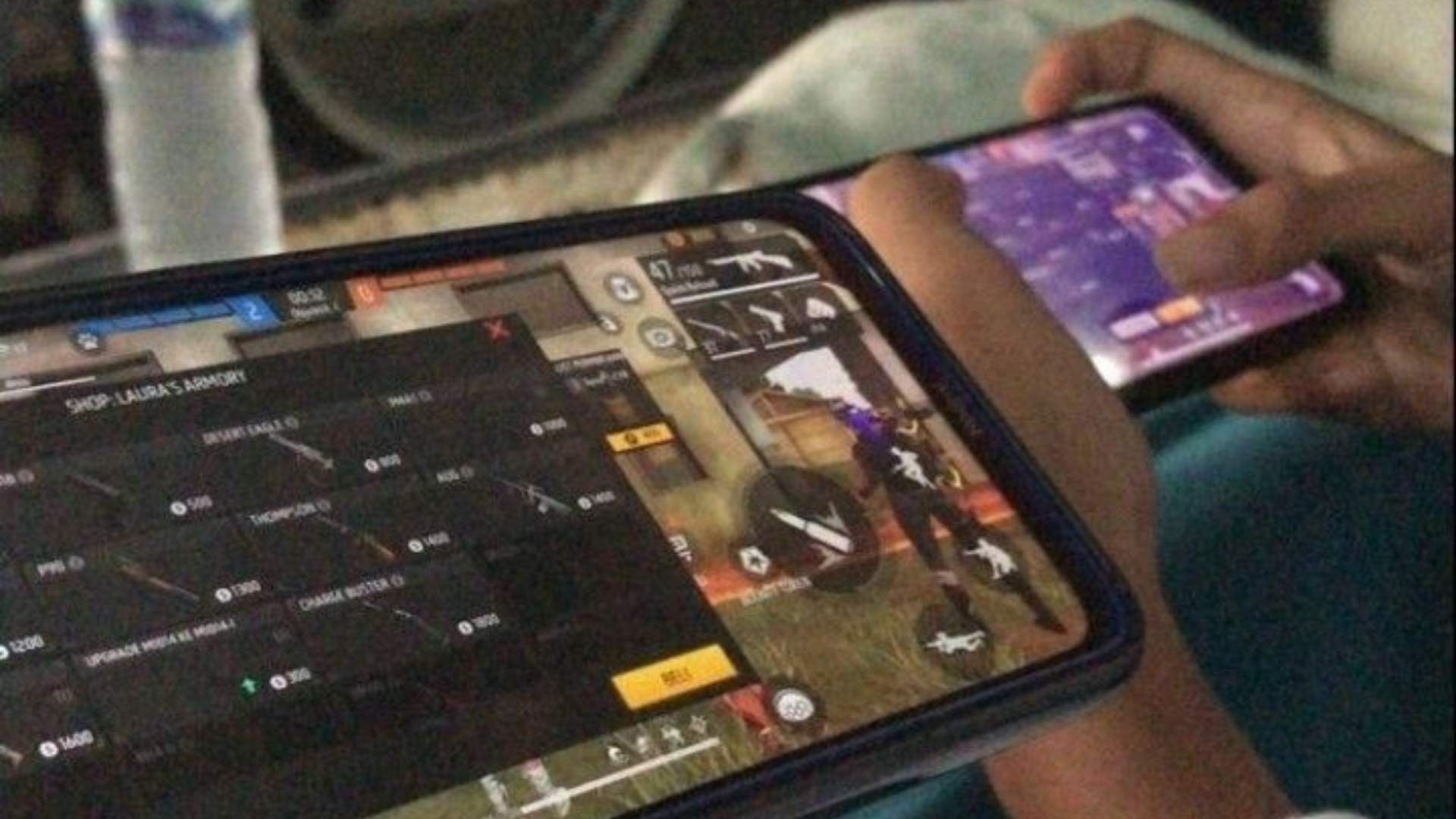
The modern gaming landscape has seen a significant shift toward multiplayer games with creative tactical gameplay, where mechanical skills alone no longer guarantee victory. Modern players are looking for interactive environments that challenge their cognitive abilities and reward innovative strategy over mere reaction speed. This evolution has transformed online arenas into complex problem-solving spaces that require both adaptability and long-term foresight.
The Evolution of Tactical Design
Traditional competitive titles often relied on fixed paths and predictable mechanics to determine the winning team. However, contemporary developers are designing open-ended systems that give teams multiple pathways to achieve their shared objectives. By providing diverse tools and environmental hazards, these titles allow participants to orchestrate unique solutions during intense encounters.
This structural freedom ensures that no two matches play out in exactly the same way, maintaining long-term engagement for communities. When players are forced to adapt to sudden changes, their decision-making processes become highly dynamic. Consequently, the digital landscape continues to expand with experiences that emphasize intellectual mastery over repetitive execution.
Encouraging Unorthodox Player Choices
True creativity in tactical gaming manifests when participants utilize in-game mechanics in ways the developers never originally anticipated. Sandbox elements, destructible environments, and flexible character classes allow for spontaneous plans that can completely catch an opposing squad off guard. These unexpected maneuvers often become the new benchmark for competitive success across global communities.
To dive deeper into modern digital platforms that support flexible options, players often explore specialized online hubs. For instance, accessing a reliable m88 link mobile enables enthusiasts to connect with updated networks tailored for dynamic entertainment. Utilizing these optimized entry points helps users stay informed about evolving digital trends and interactive communities worldwide.
The Role of Team Coordination
Succeeding in highly strategic environments requires flawless communication and mutual trust between all active participants. When individual players try to operate in isolation, even the most brilliant tactical plans can fall apart instantly against a coordinated defense. Therefore, modern systems heavily incentivize shared responsibilities and synchronized actions during live matches.
Effective groups often assign flexible roles to members, ensuring that every asset is utilized efficiently based on real-time demands. This collaborative approach not only improves coordination but also builds stronger social connections among teammates. As a result, the community shifts away from individual high scores toward celebrating shared victories.
Future Trends in Social Strategy
As technology advances, developers are looking for new ways to integrate artificial intelligence to create even more unpredictable combat scenarios. Future titles will likely feature living environments that react dynamically to a squad's chosen tactics, forcing continuous adaptation. This shift will push the boundaries of cooperative entertainment, offering deeper immersive experiences than ever before.
Moreover, cross-platform compatibility will allow larger, more diverse groups to engage in these complex battles simultaneously. The integration of advanced social features will ensure that finding like-minded strategists becomes a seamless process. Ultimately, the future of multiplayer engagement lies in empowering player ingenuity within endlessly reactive worlds.